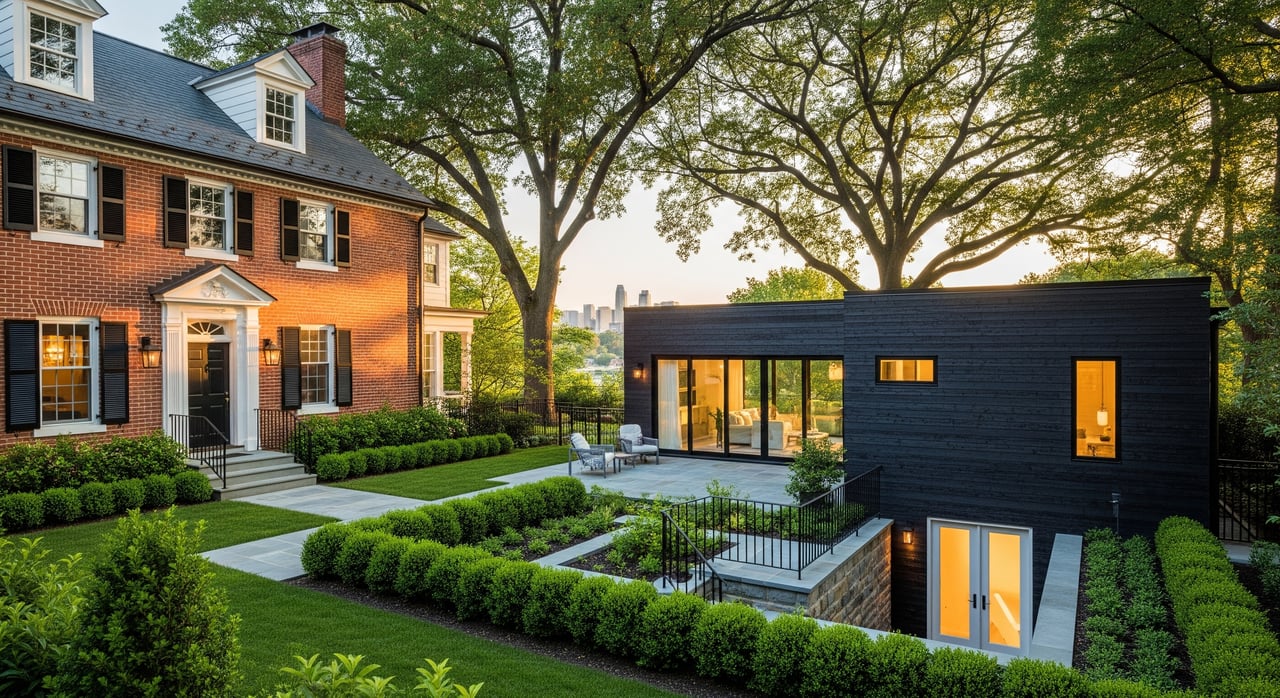
What if your Arlington home could help pay your mortgage while you build long-term wealth? Many local owners are doing exactly that with a smart house hacking plan built around ADUs, separate-entry basements, or roommate-friendly layouts. If you want to maximize value without sacrificing livability, you have options. In this guide, you’ll learn what is allowed in Arlington, how permits and building code work, the design choices that drive rentability, and the financing and legal basics to move forward with confidence. Let’s dive in.
What house hacking means in Arlington
House hacking is when you live in a home and rent out part of it to offset costs. In Arlington, that often means one of three paths: an accessory dwelling unit (ADU), a code-compliant basement apartment, or renting out one or more bedrooms. Each path has different rules, costs, and management needs. The right choice depends on your property, budget, and how hands-on you want to be.
What is allowed: ADUs, basements, rooms
ADUs and accessory apartments
Arlington allows certain forms of accessory dwellings, often called accessory apartments or ADUs. Whether you can build one depends on your zoning district, lot size, and whether the unit is internal, attached, or detached. Development standards such as setbacks, lot coverage, parking, and possible owner-occupancy rules also apply. Confirm current requirements with Arlington County Planning and Zoning tools and staff before you design or buy.
Basement apartments with separate entry
Finishing a basement as a rental unit usually requires a building permit and must meet the Virginia Uniform Statewide Building Code. Habitable rooms need safe egress, proper ventilation, and required fire and life safety features. A separate exterior entrance can help marketability, but it does not replace code requirements. If the work creates a separate dwelling unit, expect County review and a Certificate of Occupancy at the end of the process.
Room-by-room rentals
Renting individual bedrooms is the simplest way to house hack with minimal construction. This path can produce strong gross rent per square foot, especially near transit. It also requires more day-to-day management and thoughtful lease structures. Plan for higher turnover compared to a self-contained unit.
Permits and process in Arlington
Typical steps and timelines
- Pre-application or zoning check: Verify that an ADU or accessory apartment is allowed on your lot.
- Building permit application: Submit plans that show egress, any structural changes, and mechanical, electrical, plumbing, and energy details.
- Inspections: Expect inspections for framing, rough mechanicals, plumbing, electrical, and then final sign-offs.
- Occupancy: If a separate dwelling unit was created, the County will issue a Certificate of Occupancy or other approval.
Timelines depend on scope and County workload, so plan for several weeks to months from application to final sign-off. Early conversations with the Permit Center and Planning staff can reduce surprises and delays.
Safety and code must-haves
Inspectors focus on livability and life safety. Key items include:
- Means of egress: Doors, stairs, and egress windows as required for habitable spaces.
- Fire separation and detection: Smoke and carbon monoxide alarms, and fire-rated separations between units when applicable.
- Ceiling heights and ventilation: Finished rooms must meet minimum heights and have adequate natural or mechanical ventilation.
- Plumbing and mechanical: HVAC, water heaters, and any shared or separated systems must meet code.
- Accessibility: Full accessibility is not always required, but simple features can broaden market appeal.
Parking, utilities, and short-term rentals
Parking requirements vary by zoning, and some areas near transit may qualify for reductions or waivers. Separate utility metering can simplify accounting, but it is not always required or practical to install. If you plan to operate a short-term rental, Arlington has registration, occupancy, and tax rules you must follow. Review local requirements before you launch an STR.
Design choices that drive rentability
Layouts that work in Arlington homes
- Separate-entry basement studio or one-bedroom with a private bath and kitchenette. This is a common, marketable layout when built to code.
- Attached ADU over a garage or rear addition. If zoning allows, these often command higher rents and offer more privacy.
- Internal in-law suite with a private entrance. This can be simpler to construct and still attractive to renters.
- Roommate-forward main level with clear common areas and private bedrooms. Keep storage, laundry access, and noise control in mind.
Features tenants value
- Separate entry and private kitchen and bath for autonomy.
- In-unit laundry and private HVAC control for comfort.
- Thoughtful lighting and moisture control, especially in basements.
- Off-street or permit-friendly parking, which can be a deciding factor for multi-bedroom rentals.
- Flexible furnishings and utilities included for short-term or room rentals.
Neighborhood demand and market context
Arlington’s rental demand is supported by commuters to downtown DC, the Pentagon, and major employers. Transit proximity matters since properties near Metrorail and strong bus corridors are generally easier to rent. Amazon’s HQ2 in the Crystal City and Potomac Yard area has supported local demand, with impacts varying by neighborhood.
- Rosslyn, Courthouse, Clarendon, Ballston: Strong demand from professionals and faster lease-up for well-located units.
- Crystal City, Pentagon City, Arlington Ridge: Transit-rich nodes with steady renter interest and a mix of housing types.
- North Arlington areas such as Glencarlyn, Lyon Village, and Cherrydale: More single-family character and different renter profiles. ADUs and basement units can work, but demand patterns vary.
- South Arlington, including the Columbia Pike corridor: Mixed-income areas with varied rent levels and ongoing redevelopment.
For pricing, sample current listings, talk to local property managers, and compare similar units by location, size, and features. Expect higher turnover for room rentals than for self-contained units, and budget potential vacancy into your pro forma.
Financing, legal, insurance, and taxes
Owner-occupant and renovation financing
Many owner-occupants use FHA, VA, or conventional loans when house hacking. Renovation loan options such as FHA 203(k) or agency renovation programs can finance construction for a basement conversion or ADU if the underwriter accepts accessory units. Treatment of rental income and ADUs varies by program and lender, so speak with lenders who have ADU experience early in your planning.
Landlord responsibilities in Virginia
Follow the Virginia Residential Landlord and Tenant Act for leases, notices, security deposits, and eviction procedures. Provide required federal lead-based paint disclosures and the EPA pamphlet for homes built before 1978. Comply with fair housing laws in all marketing, screening, and tenancy decisions. Confirm your homeowner policy covers rental activity, and consider landlord or rental-dwelling insurance for added protection.
Business registration and taxes
Rental income is taxable, and short-term rentals may be subject to local registration and transient occupancy tax in Arlington. If your property is part of a condo or homeowners association, review covenants for any rental caps or restrictions before committing to a plan.
Budget and construction realities
Older Arlington homes can add complexity to ADUs and basement work. Small lots and setbacks may limit detached ADUs. Basements can have low headroom, moisture concerns, and existing utility runs that affect layout and cost. Plan for contingencies since older homes often reveal unexpected issues once work begins.
A finished basement unit is often the lowest-cost path to a self-contained rental, but it may require egress windows or stairs, electrical and mechanical upgrades, and plumbing work. Attached or detached ADUs can command higher rent and provide more privacy, but they come with higher construction and permitting costs. Get multiple contractor quotes and build a contingency into your budget.
Step-by-step checklist to get started
Pre-feasibility
- Confirm zoning for ADUs or accessory apartments on your parcel with Arlington Planning.
- Review parking requirements and whether your location near transit affects them.
- Check for historic district, deed, or HOA restrictions.
- Evaluate basement headroom, foundation condition, utility locations, and egress options.
- Obtain preliminary budgets and contractor input for your preferred path.
- Speak with a lender about programs that accept ADUs and how rental income will be treated.
- Plan for required safety upgrades, including smoke and CO detectors, and lead disclosures for pre-1978 homes.
Permitting and construction
- Zoning confirmation, then submit building permit plans.
- Schedule inspections for framing and rough mechanicals, plumbing, and electrical.
- Install required safety features such as egress windows or doors, handrails, and GFCI outlets in kitchens and baths.
- Decide on single versus separate utility metering and coordinate with providers.
- Complete final inspections and obtain occupancy approval for a new unit.
Pros and cons by strategy
Basement conversion
- Pros: Often the most cost-effective way to create a private unit. Faster to market when scope is limited.
- Cons: Potential moisture, lower ceilings, and less natural light. Code upgrades and egress work can add cost.
Attached or detached ADU
- Pros: Highest rent potential and strong privacy. Easier to price closer to a stand-alone unit.
- Cons: Highest construction and permit cost. Lot size and zoning can be limiting.
Room-by-room rentals
- Pros: Minimal construction and strong gross rent per square foot.
- Cons: Higher turnover and more hands-on management. Shared space friction if rules are unclear.
How to estimate your rent and vacancy
Start with comparable listings in your micro-market and talk with local property managers. Compare unit type, size, finish level, and transit access. For pro formas, assume higher turnover for room rentals and set aside reserves for vacancy, permitting time, and maintenance. Adjust your assumptions once you collect real-world data from showings and tenant feedback.
Your next moves in Arlington
Arlington allows several house hacking paths, yet the details are parcel specific and code driven. The two non-negotiables are clear: confirm zoning with Arlington County and pull the required building permits and inspections for any change in occupancy or habitable space. With the right plan, you can create a safe, attractive rental that supports your mortgage and builds long-term value.
If you want an experienced partner for property search, feasibility, leasing, or property management across Northern Virginia, our team can help you compare options and execute with confidence. Reach out to Ikon Realty to explore house hacking strategies that match your goals and timeline.
FAQs
What is house hacking in Arlington?
- House hacking means living in a home while renting part of it, often through an ADU, a code-compliant basement apartment, or by renting bedrooms to roommates.
Can I build an ADU on my Arlington lot?
- It depends on your zoning district, lot size, and whether the unit is internal, attached, or detached. Confirm with Arlington County Planning and Zoning before you design.
Do I need permits for a basement rental?
- Yes, finishing a basement as a rental typically requires building permits, inspections, and code compliance. If it becomes a separate dwelling, you will need occupancy approval.
What code items matter most for basement units?
- Inspectors focus on safe egress, smoke and CO detection, fire separation where required, ceiling height, ventilation, and compliant plumbing and mechanical systems.
How long does permitting take in Arlington?
- Timelines vary by scope and workload, but plan for several weeks to months from application to final sign-off. Early meetings with County staff can help speed the process.
Are short-term rentals allowed for ADUs?
- Arlington regulates short-term rentals and may require registration and transient occupancy tax. Review local rules before hosting guests.
What financing works for house hacking?
- Many owners use FHA, VA, or conventional loans, and some renovation loans can fund ADU or basement work. Lender policies on ADUs and rental income vary, so ask early.
What are my landlord obligations in Virginia?
- Follow the Virginia Residential Landlord and Tenant Act, provide required lead disclosures for pre-1978 homes, comply with fair housing laws, and ensure your insurance covers rentals.
How do I estimate rent for my unit?
- Compare current listings and talk with local property managers for your specific neighborhood and transit access. Adjust for size, finish level, parking, and privacy features.
Ready to explore your options or run numbers on a specific property? Connect with the local experts at Ikon Realty to map the best strategy for your goals.