Thinking about living close to the Metro in Arlington but not sure what the day-to-day really looks like? You are not alone. Many buyers weigh a quick commute and walkable dining against quieter streets and more space. In this guide, you will learn how Arlington’s Metro corridors are planned, how housing options shift as you move away from stations, and what to expect for commutes and daily life. Let’s dive in.
Arlington’s Metro corridors at a glance
Arlington concentrated growth around its Metrorail stations using an “urban village” model, which guides taller buildings to station areas and steps down toward nearby residential blocks. This planning pattern has created distinct, walkable hubs while keeping many tree-lined streets intact a short distance away. You can see this approach in the Rosslyn–Ballston Corridor overview from Arlington County.
Two clusters define most station-area living. The Rosslyn–Ballston axis along Wilson and Clarendon Boulevards connects Rosslyn, Courthouse, Clarendon, Virginia Square, and Ballston. Farther south, National Landing includes Crystal City, Pentagon City, and Potomac Yard. The National Landing area is evolving fast with parks, restaurants, and transit access improvements highlighted by the National Landing BID.
Housing by distance to stations
Steps from the platform: 0 to 0.25 miles
If you live within about a 5 to 8 minute walk of a station, expect a more urban feel: high-rise condos, large apartment towers, and mixed-use buildings with retail at street level. A good example is Ballston Quarter, where a 1950s-era mall was reimagined as an open, mixed-use destination. The story of that transition is covered by NAIOP’s feature on Ballston Quarter. In National Landing, Crystal City and Pentagon City offer a similar high-rise mix near transit and shopping.
What you gain here: the fastest train access and the broadest selection of food, gyms, and errands within a few blocks. The tradeoff is density, more street activity, and typically less private outdoor space.
A short walk away: 0.25 to 0.5 miles
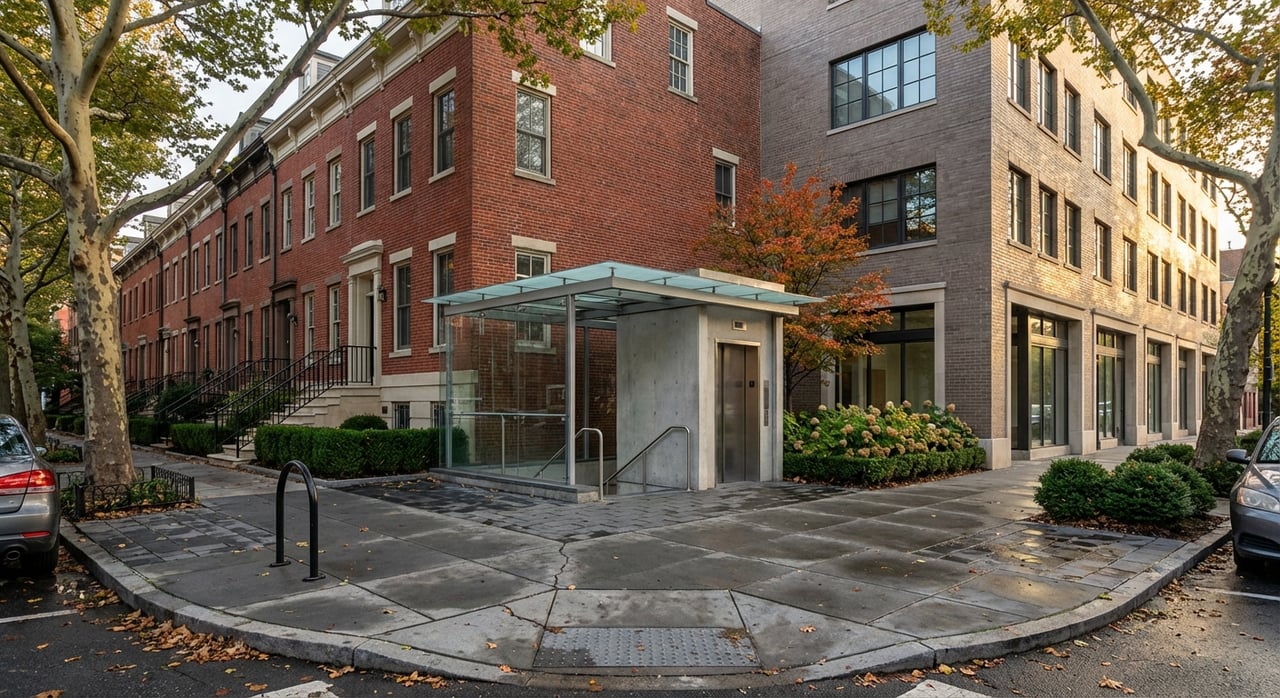
Move a few blocks back and you will see mid-rise apartments, townhomes, and stacked flats. You still get many of the same retail and services, often with a little more space and lower building heights. Prices can be more approachable than the buildings right on top of the station, depending on the property and timing.
This band is a sweet spot for many buyers who want a quieter address without giving up an easy stroll to the train.
Quieter pockets: 0.5 to 2+ miles
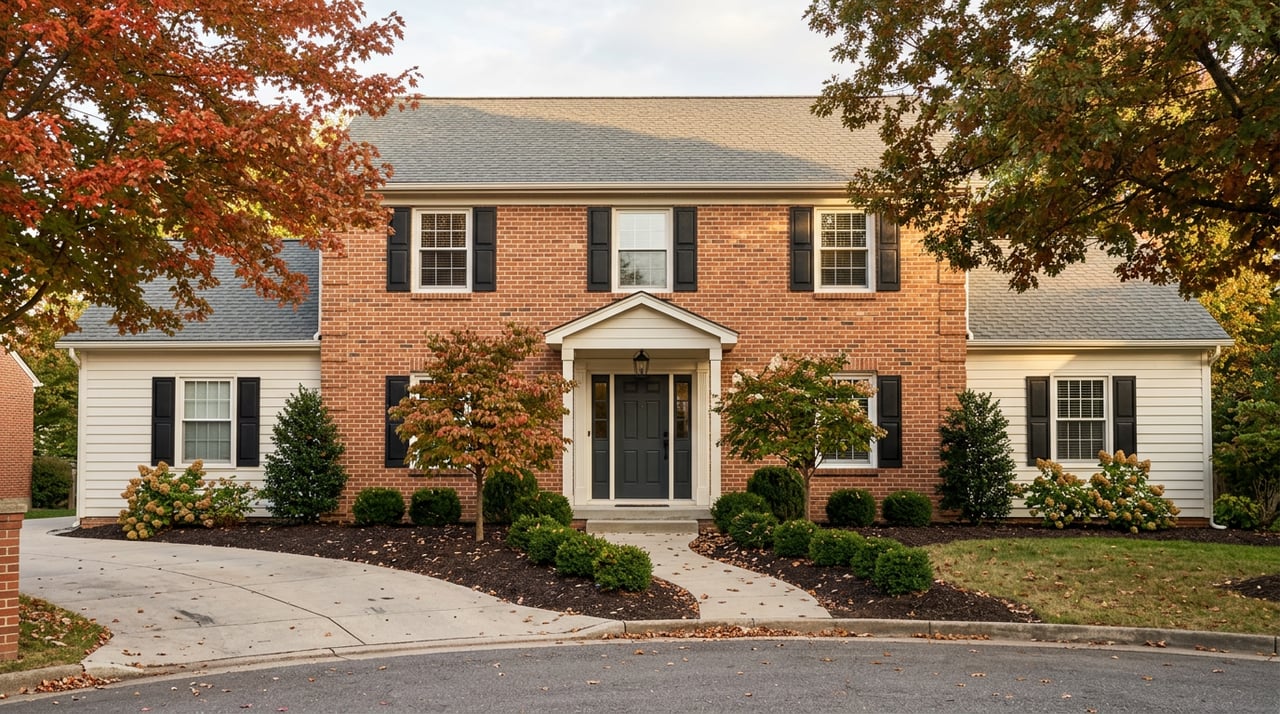
Beyond a 10 to 20 minute walk, Arlington shifts toward single-family homes, larger townhomes, and garden apartments. Neighborhoods such as Lyon Village, Westover, Cherrydale, Arlington Ridge, Dominion Hills, and Shirlington feature more private outdoor space and calm residential streets. Local reporting often highlights how these areas keep a village feel while staying connected to station hubs.
If you like a smaller-scale main street, spots like Westover Village or Shirlington offer dining and services with a relaxed pace. A broader look at walkable suburban patterns appears in this YES! Magazine piece on America’s most walkable suburb, which reflects many Arlington traits.
Everyday life and walkability
Rosslyn–Ballston’s urban villages
Each stop has a slightly different rhythm. Clarendon is known for cafés, bars, and small shops. Courthouse clusters services and restaurants. Virginia Square is a bit quieter with cultural anchors nearby. Ballston’s hub includes the redeveloped Ballston Quarter with a food hall and retail, and Rosslyn blends an office core with access to the riverfront and views. Arlington’s planning materials describe how these nodes work together in the Rosslyn–Ballston Corridor framework.
National Landing’s downtown-style energy
Crystal City, Pentagon City, and Potomac Yard are evolving into a regional destination with dense retail, events, and park upgrades. Residents see quick connections to Reagan National Airport and growing dining options. The National Landing neighborhood overview shares the area’s vision, project highlights, and map of amenities.
Local village nodes off the rails
If you prefer a quieter scene, smaller centers like Shirlington and Westover bring a village feel while keeping tree-lined blocks nearby. These areas balance neighborhood calm with practical daily needs such as groceries, coffee, and takeout.
Commutes and getting around
Lines and transfers
The Rosslyn–Ballston cluster sits on the Orange and Silver Lines with one-seat rides toward downtown. The southern cluster is on the Blue and Yellow Lines with fast service to L’Enfant Plaza, Navy Yard, and airport connections. For an overview of the system and transfers, see the Washington Metro reference.
How long will my commute take?
In busy core segments, typical peak train frequency is often in the single-digit minutes, with longer waits off-peak. A Ballston to Metro Center ride is commonly planned in the 10 to 16 minute in-train range. Your door-to-door time depends on your walk to the station, the wait, any transfer, and your final walk. A practical planning range for many central Arlington to downtown trips is about 20 to 45 minutes door-to-door. Always test your specific route during the hours you will commute.
First and last mile options
Arlington prioritizes walking, biking, and buses over large park-and-ride lots. Many homes a bit farther out connect to stations using Arlington Transit’s ART buses, Metrobus, Capital Bikeshare docks, and a robust trail network such as the Custis and Mount Vernon Trails. ART publishes routes and rider guidance on its Riding ART page.
Neighborhood tradeoffs to consider
Choosing between a station-front address and a nearby residential pocket comes down to lifestyle and budget. Here are common patterns you will notice:
- Living next to a station: quickest transit access, the widest walkable retail and dining, and strong resale liquidity for smaller units. Expect more activity and less private outdoor space. The Ballston Quarter area and National Landing core are good examples, described in this Ballston Quarter case study and the National Landing overview.
- Living a short walk or ART ride away: typically quieter blocks, more townhome or single-family options, and a few extra minutes added to the commute. Many buyers find this band balances space with reliable access.
Countywide, market snapshots often show strong pricing with variation by submarket. Station adjacency can carry a premium for walkability, while larger-lot homes often command premiums for space and yards. Your exact comparison will depend on the property type, location, and timing.
How to shop smart along the corridors
- Define your “musts” in order: commute time, space, parking needs, outdoor area, noise tolerance, and access to dining or gyms. Rank them so you can trade smartly.
- Test the commute at your target hour. Try your route during a weekday peak and a typical off-peak. Include the walk, platform wait, and final leg to your office.
- Walk the block at different times. Evening and weekend visits will show you the real vibe, especially near event venues or nightlife clusters.
- Compare property types by band. Tour a tower condo near a station, a mid-rise or townhome a few blocks out, and a single-family home in a quieter pocket. The contrast will clarify your value tradeoffs.
- Plan for first and last mile. If you are outside a short walk, map ART routes, bike docks, or safe trails from your block to the station using the Riding ART resources.
Ready to narrow your search to the right block and building type for your lifestyle? Our team brings deep local knowledge across Arlington’s station areas and the surrounding neighborhoods. Reach out to Ikon Realty to talk through options, preview listings, and map your best plan to buy with confidence.
FAQs
What is the Rosslyn–Ballston Corridor in Arlington?
- It is a planned string of “urban villages” along the Orange and Silver Lines, where Arlington focused taller mixed-use development around stations and tapered heights toward nearby residential streets, as outlined in the county’s Rosslyn–Ballston Corridor materials.
What is National Landing and why does it matter for buyers?
- National Landing combines Crystal City, Pentagon City, and Potomac Yard into a growing, downtown-style district with new parks, dining, and strengthened transit links, summarized by the National Landing BID.
How does living next to a Metro station affect home types and prices?
- Immediate station areas tend to offer high-rise condos and apartments in mixed-use settings with strong walkability, while areas a few blocks out shift to mid-rise buildings and townhomes, and farther pockets feature more single-family homes; proximity often carries a premium, and larger lots often do as well depending on buyer priorities.
Can you live car-light along Arlington’s Metro corridors?
- Yes in many station areas. Arlington designed its cores to be walkable and transit oriented, with residents relying on walking, ART or Metrobus, and biking; outside the cores, some households keep a car for flexibility.
How long is the Metro ride from Ballston to Metro Center?
- Plan for roughly 10 to 16 minutes in-train, plus your walk and wait time; door-to-door trips often land in the 20 to 40 minute range depending on your exact start and end points and time of day.
What first and last mile options connect neighborhoods to stations?
- ART buses, Metrobus, Capital Bikeshare, and connected trails such as the Custis and Mount Vernon networks are common links; route info and rider tips are on ART’s Riding ART page.
Are there major projects changing National Landing soon?
- Yes, it remains an active redevelopment area with park and station access projects; the National Landing neighborhood page shares updates and context on the district’s direction.