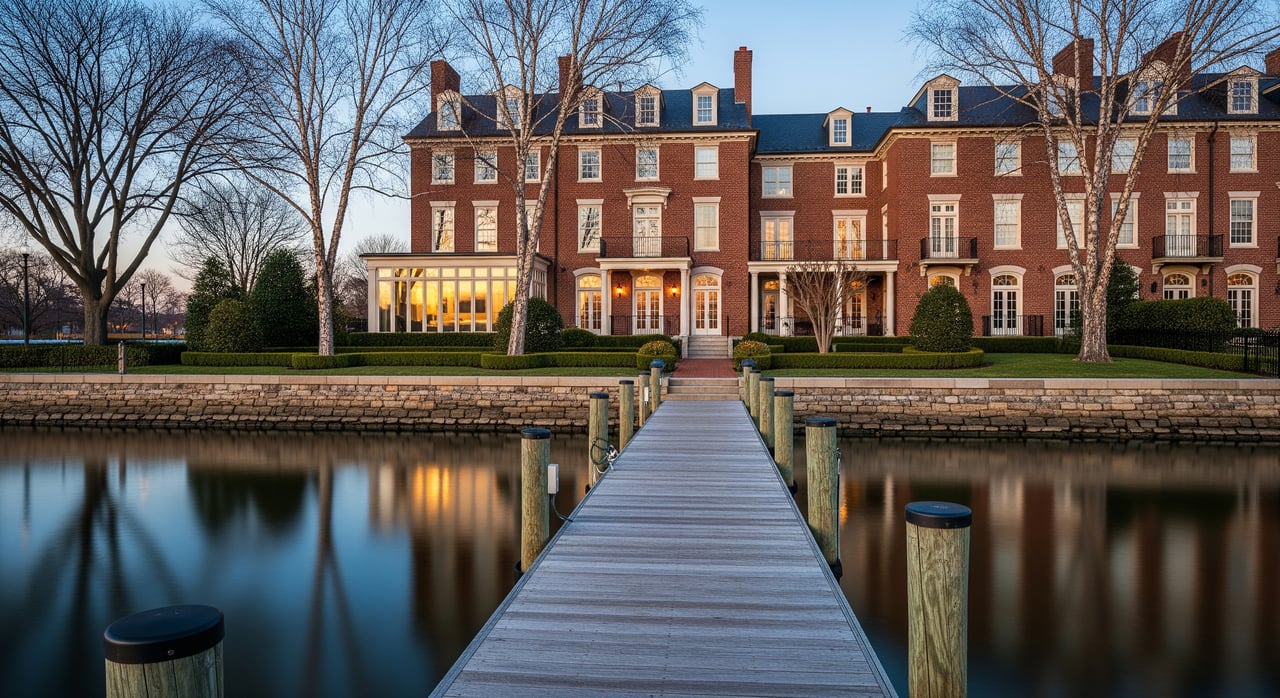
Waking up to river views, strolling to dinner on King Street, and hopping on a trail or water taxi for the afternoon sounds like a dream. If you’re weighing a move to Alexandria’s Potomac River edge, you want a clear picture of daily life and what it takes to buy with confidence. In this guide, you’ll learn which neighborhoods define the waterfront, the types of homes available, how people get around, and the key due diligence steps that matter near the water. Let’s dive in.
Alexandria waterfront at a glance
Alexandria sits on the west bank of the Potomac River across from Washington, D.C., with about 159,000 residents. When locals talk about the “waterfront,” they usually mean Old Town and its King Street corridor to the river, plus nearby areas like Eisenhower East and Carlyle, parts of Potomac Yard, and the parks that stretch south to Jones Point. These blocks are among the city’s most visited and in demand, thanks to walkability, history, and river access.
Where to live
Old Town/Waterfront
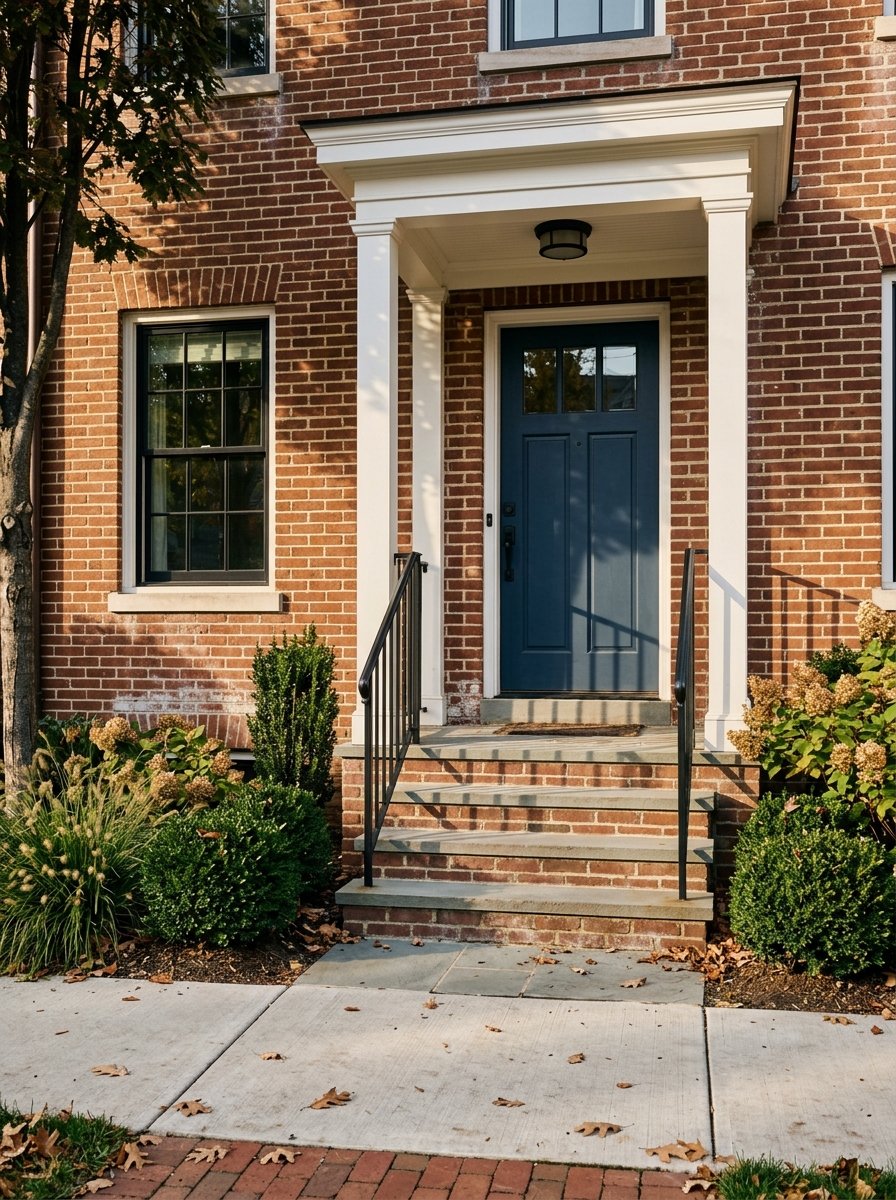
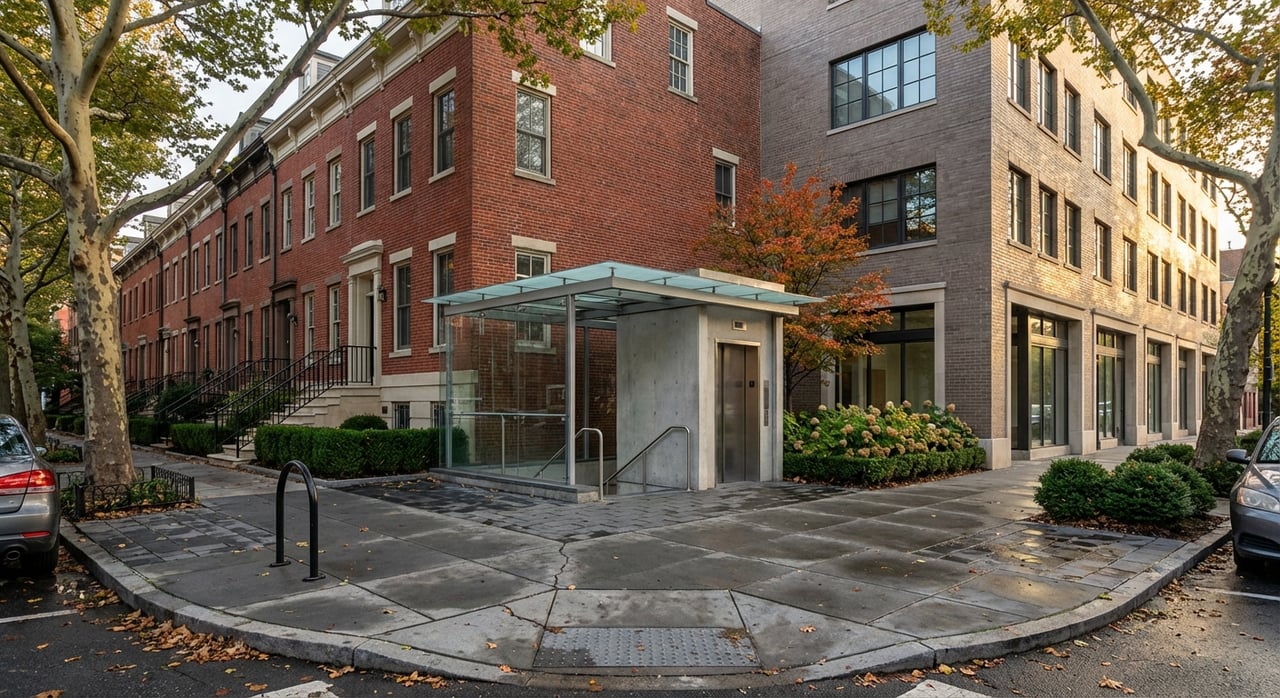
Old Town is the historic heart of Alexandria. You can walk along King Street from shops and cafes straight to the river, where parks and piers bring the water into daily life. The Torpedo Factory Art Center anchors the arts scene, and streets are lined with brick sidewalks, galleries, and restaurants. Housing includes historic rowhouses, brick townhomes, and small condo buildings near the water.
Eisenhower East and Carlyle
Just west of the river parks, this modern mixed-use area offers mid-rise and high-rise living with amenities like fitness centers, concierge services, and garage parking. You get newer construction and convenient access to offices, dining, and the Eisenhower Avenue corridor, with proximity to waterfront parks.
Potomac Yard (east)
This emerging district brings newer mixed-use housing, retail, and transit access east of Route 1 and along the river corridor. You’ll see mid-rise condos and contemporary townhomes, with growing amenities and quick access to trails.
South waterfront near Jones Point
South of Old Town, the landscape becomes more park-forward. Jones Point Park and nearby green spaces offer trailheads and open lawns. Residential pockets are less dense than the Old Town core, making this area attractive if you want easy access to the Mount Vernon Trail and outdoor recreation.
Home types you’ll find
- Historic rowhouses and brick townhomes: Many date to the 18th and 19th centuries, especially in Old Town. Expect classic Federal and Georgian facades, narrow lots, and interiors that often blend period details with modern updates.
- Condominiums and converted lofts: Near the river and along King Street you’ll find small to mid-size condo buildings, including conversions of older structures in select spots.
- Mid-rise and high-rise condos: In Carlyle, Eisenhower East, and parts of Potomac Yard, buildings offer river or city views, on-site amenities, and lower-maintenance living.
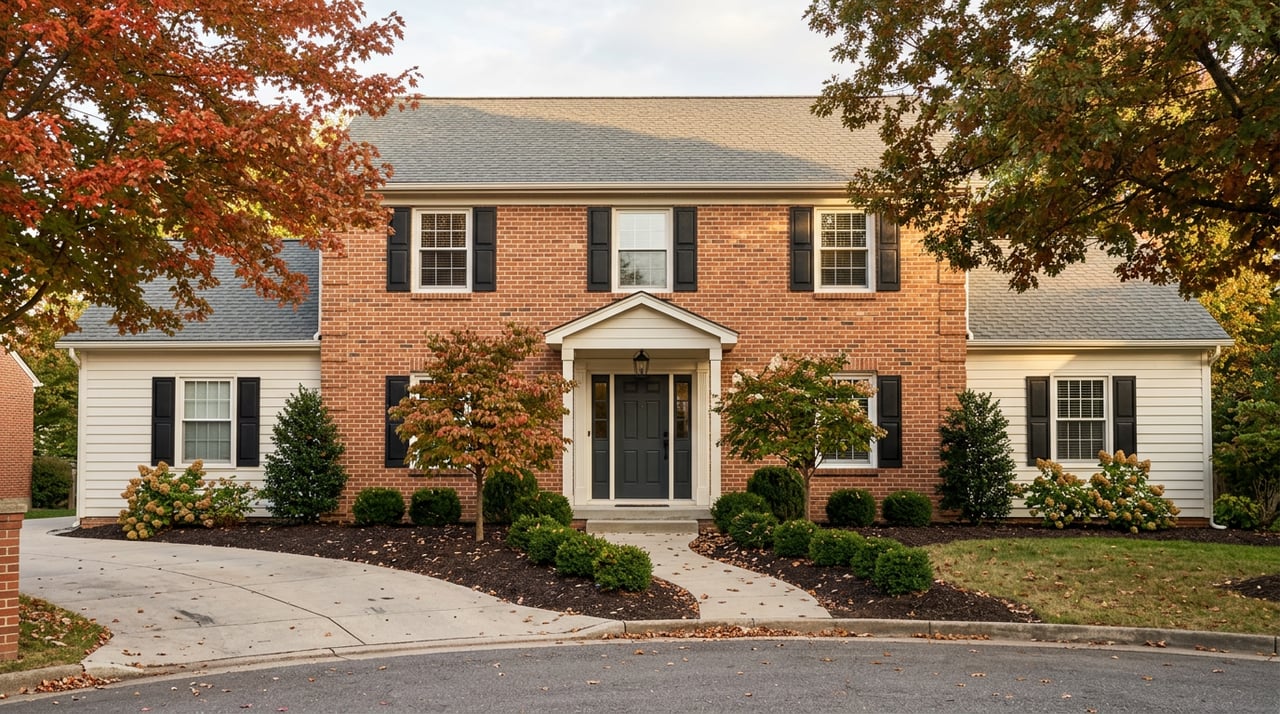
- Single-family homes: Large detached homes are less common right on the immediate riverfront in Old Town. You’ll see more detached options a bit farther inland.
Historic district considerations
Much of Old Town falls within the Old & Historic Alexandria District, which means exterior changes often require review by the City’s Board of Architectural Review. If you plan to renovate, build in time and budget for design approvals, material standards, and permitting.
Everyday lifestyle
Walkability and street life
Old Town’s walkability is a major draw. King Street forms a continuous spine from the Metro area to the waterfront, lined with dining, coffee, bakeries, and shops. Street life is active day and night, and many residents can complete daily errands on foot.
Parks, trails, and the river
The waterfront strings together a series of parks, including Waterfront Park, Founders Park, and Oronoco Bay Park. You’ll find lawns, seating, public art, and room to spread out. To the south, Jones Point Park adds more green space. The Mount Vernon Trail runs along the river, offering about 17 to 18 miles of biking and running between Mount Vernon and Theodore Roosevelt Island. It’s a favorite for recreation and an option for bike commuting.
Boating and water access
Alexandria supports a boating culture with marinas, boat clubs, and places to launch kayaks and paddleboards. Seasonal water taxi services connect the waterfront with other river destinations. Schedules vary by operator and time of year, but it’s a fun and practical way to hop around the region.
Dining, arts, and events
You’ll have no shortage of restaurants, many with water views or a quick walk to the river. The Torpedo Factory Art Center is a key destination for galleries and artist studios. Old Town hosts frequent cultural events and seasonal programming, and periodic waterfront festivals and boat parades add energy to the calendar.
Everyday services
Grocery stores, pharmacies, fitness studios, and daily services cluster around King Street and nearby commercial nodes. Depending on the block, some condo buildings sit a short stroll from groceries, while townhomes may be a bit farther away.
Getting around
- Metro: The Blue and Yellow lines serve Alexandria. The King Street–Old Town station is the primary stop for Old Town, with other stations serving different parts of the city.
- VRE and Amtrak: Alexandria’s station provides commuter and intercity rail options.
- DASH and regional buses: Local buses connect neighborhoods and nearby jurisdictions.
- Bikes and water: Many residents use the Mount Vernon Trail to reach Arlington and D.C. Seasonal water taxis can supplement transit for select routes.
Typical commutes include downtown D.C., the Pentagon, Crystal City, Potomac Yard, and employment centers across Northern Virginia.
Costs and ownership basics
Waterfront and near-water homes often carry a premium because of location, views, and limited supply. Keep these cost factors in mind:
- Property taxes: Alexandria has a citywide rate, but near-water homes may have higher assessed values. Check parcel-specific records when you’re serious about a property.
- HOA and condo fees: Waterfront condos and townhome communities may have higher monthly fees that cover common-area maintenance, security, docks, and flood-resilience features.
- Maintenance: River proximity can increase wear from moisture and corrosion. Budget for regular exterior upkeep, mold prevention, and landscape care along the river corridor.
Flood risk and resilience
Parts of the Potomac waterfront in Alexandria fall within mapped FEMA flood zones and can be subject to tidal flooding and storm surges. Here’s what to focus on:
- Flood maps: Review FEMA Flood Insurance Rate Maps and the City’s floodplain maps for parcel-level clarity.
- Insurance: If a home is in a Special Flood Hazard Area and you use a federally backed mortgage, flood insurance is typically required. Even outside mapped zones, discuss coverage options under both NFIP and private policies.
- Resilience planning: The City of Alexandria has climate and coastal resilience plans that address sea level rise and flood mitigation. You may see public improvements or proposed projects near certain parks or streets.
- Building features: Elevated foundations, flood-resistant materials, and water intrusion defenses add value. Ask about prior flood history, sump pumps, backflow preventers, and ventilation.
Quick flood due diligence checklist
- Obtain any available elevation certificate.
- Review current and past insurance premiums and claims.
- Ask for documented moisture and mold remediation history.
- Confirm drainage patterns, grading, sump operation, and backflow devices.
- Evaluate crawl spaces, foundations, and waterfront-facing elements for corrosion and intrusion.
Historic and HOA rules
- Old & Historic Alexandria District: Exterior changes often require Board of Architectural Review approval. Expect standards that govern materials and design details. Build time into your renovation plans.
- Newer planned areas: Carlyle, Eisenhower East, and parts of Potomac Yard follow modern zoning and planned-unit development rules.
- HOAs and condo associations: Review governing documents for policies on exterior maintenance, pets, dock or slip access, leasing rules, and special assessments. Reserve studies can reveal long-term capital plans that affect fees.
Buying smart on the waterfront
Use this step-by-step approach to stay confident from search to close:
Define your lifestyle fit.
- Do you want a historic rowhouse steps from King Street, or a full-service condo with garage parking and amenities?
- How important are trail access, boating, or a quick walk to dining and groceries?
Narrow your neighborhood target.
- Compare Old Town’s historic fabric with newer, amenity-rich options in Carlyle or Potomac Yard.
- If you value parks and quiet, explore areas near Jones Point and the Mount Vernon Trail.
Align commute and transit.
- Map your route to work using Metro, VRE/Amtrak, bus, biking, or a mix. Seasonal water taxi options can be a bonus for certain destinations.
Budget beyond the purchase price.
- Include HOA or condo fees, flood insurance if required, and elevated maintenance for river exposure.
Perform targeted due diligence.
- Historic district: Confirm Board of Architectural Review requirements for any planned exterior work.
- Flood and resilience: Review maps, insurance needs, elevation certificates, and building protections.
- Condition: Focus inspections on foundations, exterior masonry, moisture controls, and any river-facing elements.
- Parking and storage: Old Town supply can be tight. Confirm assigned spaces and storage availability early.
Read the documents.
- Request HOA/condo bylaws, budget, reserves, and recent meeting minutes. Check for planned projects that may affect fees or access.
Plan renovations carefully.
- Get estimates that reflect historic materials and possible review timelines. Balance preservation needs with modern comfort.
Is waterfront living right for you?
If you thrive on walkability, arts, and outdoor access, plus the energy of a historic river city, Alexandria’s waterfront makes daily life feel special. You’ll trade some extra due diligence and potential ownership costs for a lifestyle that blends charm, convenience, and multi-modal connectivity. With the right guidance, you can secure a home that fits your budget, commute, and long-term plans.
Ready to explore listings, evaluate flood risk and HOA documents, or plan a winning offer near the river? Reach out to Ikon Realty for local, data-informed guidance from search to closing.
FAQs
What areas count as Alexandria’s waterfront?
- Old Town along King Street to the river, plus nearby Eisenhower East/Carlyle, parts of Potomac Yard east of Route 1, and parkland stretching south to Jones Point.
What home types are most common near the river?
- You’ll see historic rowhouses and brick townhomes in Old Town, plus small condo buildings, converted lofts, and mid- to high-rise condos in Carlyle, Eisenhower East, and Potomac Yard.
How risky is flooding on the Alexandria waterfront?
- Risk varies by block and building. Some areas lie within FEMA flood zones, where flood insurance may be required with certain loans. Always review flood maps, elevation data, and insurance options.
Do I need a car if I live near the waterfront?
- Many residents rely on walking, Metro, buses, biking on the Mount Vernon Trail, and seasonal water taxis. A car can be helpful, but daily needs are often met without one in Old Town.
Are there extra rules for renovating in Old Town?
- Yes. Many streets fall within the Old & Historic Alexandria District, where exterior changes typically require Board of Architectural Review approval. Plan for design standards and permitting time.
What HOA or condo fees should I expect near the river?
- Fees vary by building and amenities. Waterfront or amenity-rich communities may have higher monthly costs to maintain common areas, security, docks, or resilience features. Review budgets and reserve studies before you buy.
What’s the commute like from the waterfront to D.C. or the Pentagon?
- Many residents use the Blue and Yellow lines, VRE/Amtrak at Alexandria Station, DASH buses, or the Mount Vernon Trail for biking. Typical destinations include downtown D.C., the Pentagon, and nearby Northern Virginia job centers.