Trying to make sense of Fairfax County’s many neighborhood styles? You are not alone. With more than 1.16 million residents, a countywide mean commute time around 28–31 minutes, and a housing mix that is roughly 68–69% owner‑occupied, Fairfax packs in options for every lifestyle. In this guide, you’ll see how the county plans growth, what each neighborhood type offers, and how to match your day‑to‑day routine to the right place. Let’s dive in.
Picture this:
- You step out of a Tysons condo and grab coffee before the Silver Line ride to work.
- You pull into a quiet McLean cul‑de‑sac with tall trees and a private backyard.
- You roll a stroller to the Burke Centre pond, then drive 12 minutes to errands.
- You bike the W&OD to dinner at Reston Town Center and catch a late train home.
How Fairfax County plans places
Fairfax organizes growth around Urban Centers, Transit Station Areas, and Suburban Centers that guide where higher density and walkable, mixed‑use projects belong. If you want to understand where taller buildings, new plazas, or more housing may appear, start with the county’s Special Planning Areas in the Comprehensive Plan. That framework explains why Tysons and Reston are densifying while places like Great Falls remain low density by design.
County quick facts help set expectations:
- Population: about 1,160,925 residents.
- Mean travel time to work: roughly 28–31 minutes.
- Owner‑occupied rate: around 68–69% countywide.
Source: U.S. Census QuickFacts for Fairfax County.
For pricing context, county assessment notices reported an average residential assessment of $794,235 as of Feb 18, 2025. Assessments are not the same as sale prices, but they’re a good barometer of countywide value pressure. See the county’s update on 2025 real estate assessments.
Neighborhood types across Fairfax County
Urban hubs and transit‑oriented cores
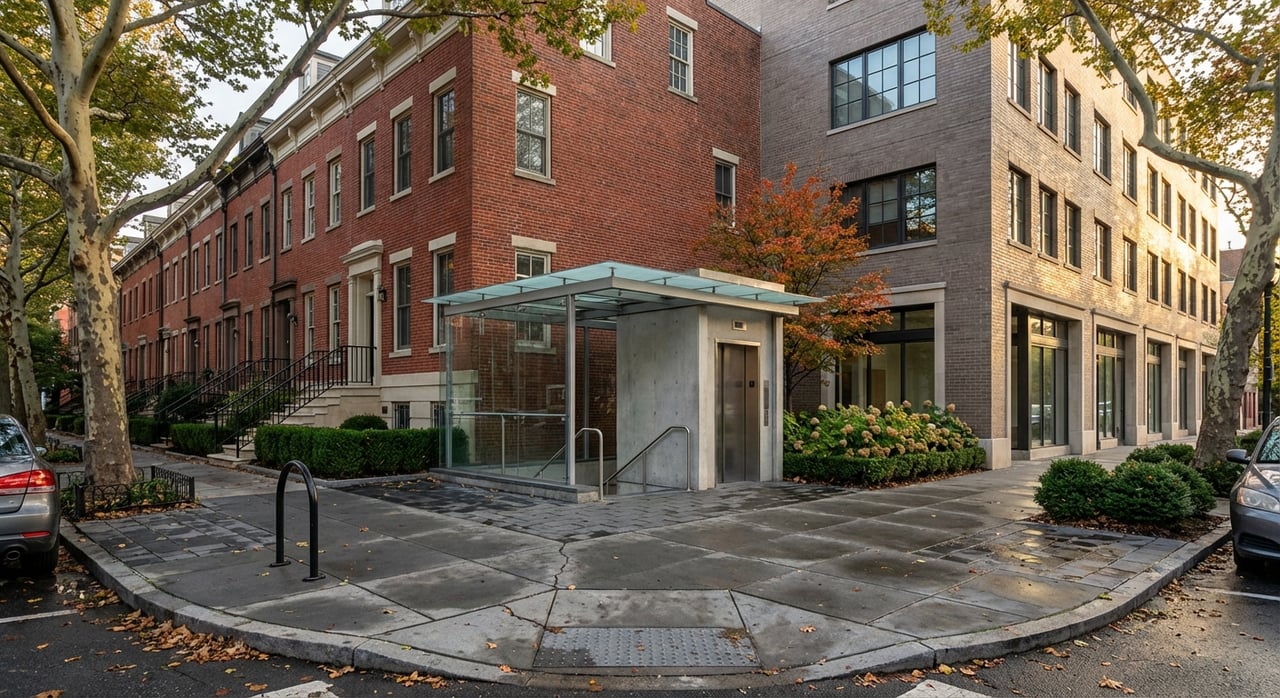
These are higher‑density, mixed residential‑retail‑office districts with strong walkability and frequent transit. The county is investing in public spaces, trails, and safer streets in these areas. A good example is Tysons, where projects like the Tysons Community Circuit are enhancing local mobility and placemaking, as noted in the county’s walkability investments.
- Where you’ll find them: Tysons, Reston Town Center and Wiehle area, Merrifield’s Mosaic District, Fairfax City corridor.
- Homes and price snapshot: mid‑ to high‑rise condos, newer apartments, and townhomes. Typical condo pricing can range from the mid‑$300Ks to $900K+ depending on size, building, and proximity to a station. Townhomes and newer mixed‑use product often price higher. Reference point: countywide averages and market snapshots as of mid‑2025 and Feb 2025 assessments.
- Commute feel: excellent for Metro users. Silver Line stations in Tysons and Reston and Orange/Blue adjacency elsewhere reduce day‑to‑day travel variability. Check station specifics on the WMATA stations guide.
- Everyday conveniences: walkable restaurants, fitness studios, theaters, and grocery options are common. Plazas and seasonal events are part of the lifestyle.
Transit‑adjacent, town‑center suburbs
These neighborhoods sit within about a half‑mile to a mile of a Metro station or busy bus hub but keep a quieter residential feel.
- Where you’ll find them: Vienna (Vienna/Fairfax‑GMU), Dunn Loring, West Falls Church, Wiehle‑Reston East surroundings, and Franconia‑Springfield.
- Homes and price snapshot: townhomes and garden‑style condos with some single‑family pockets. Condo and TH ranges often bridge the gap between urban hubs and farther‑out suburbs. Use county averages and current mid‑2025 snapshots to set expectations.
- Commute feel: balanced. You can walk, bike, or bus to Metro, then ride to D.C. or Arlington. Many residents still drive for errands but appreciate the train option.
- Everyday conveniences: smaller retail nodes, trails, playgrounds, and grocery within short drives or bikes.
Family‑oriented quiet suburbs and cul‑de‑sacs
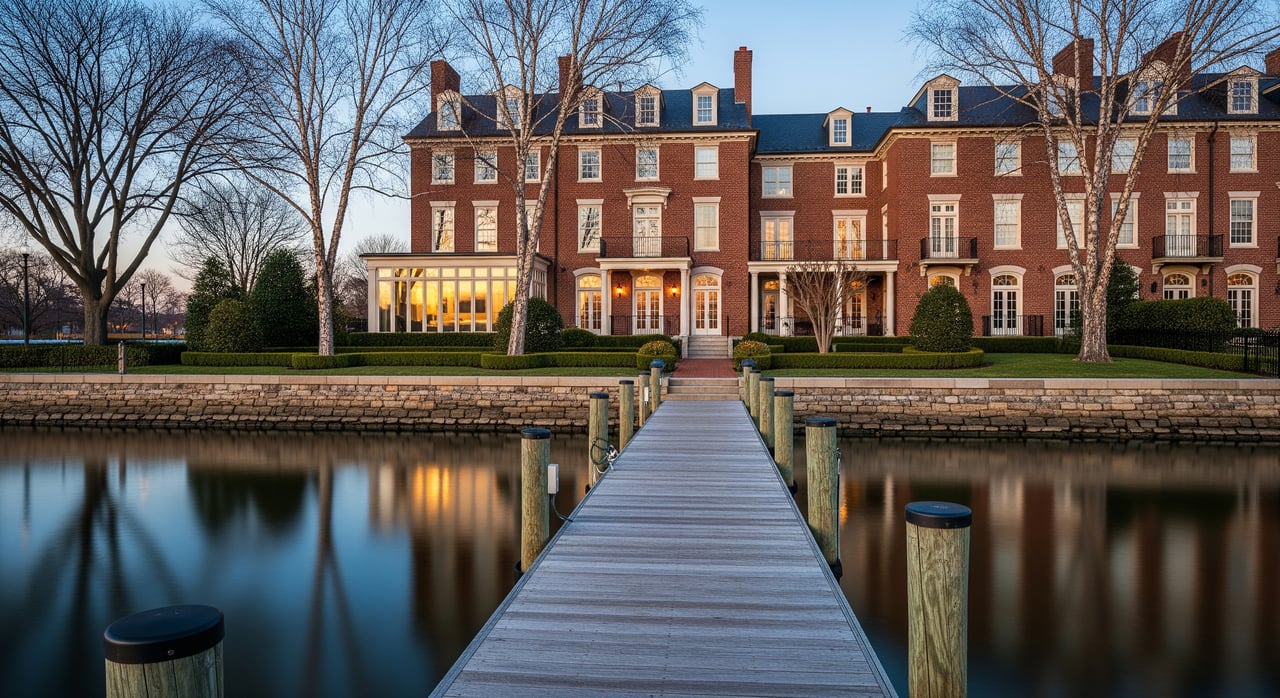
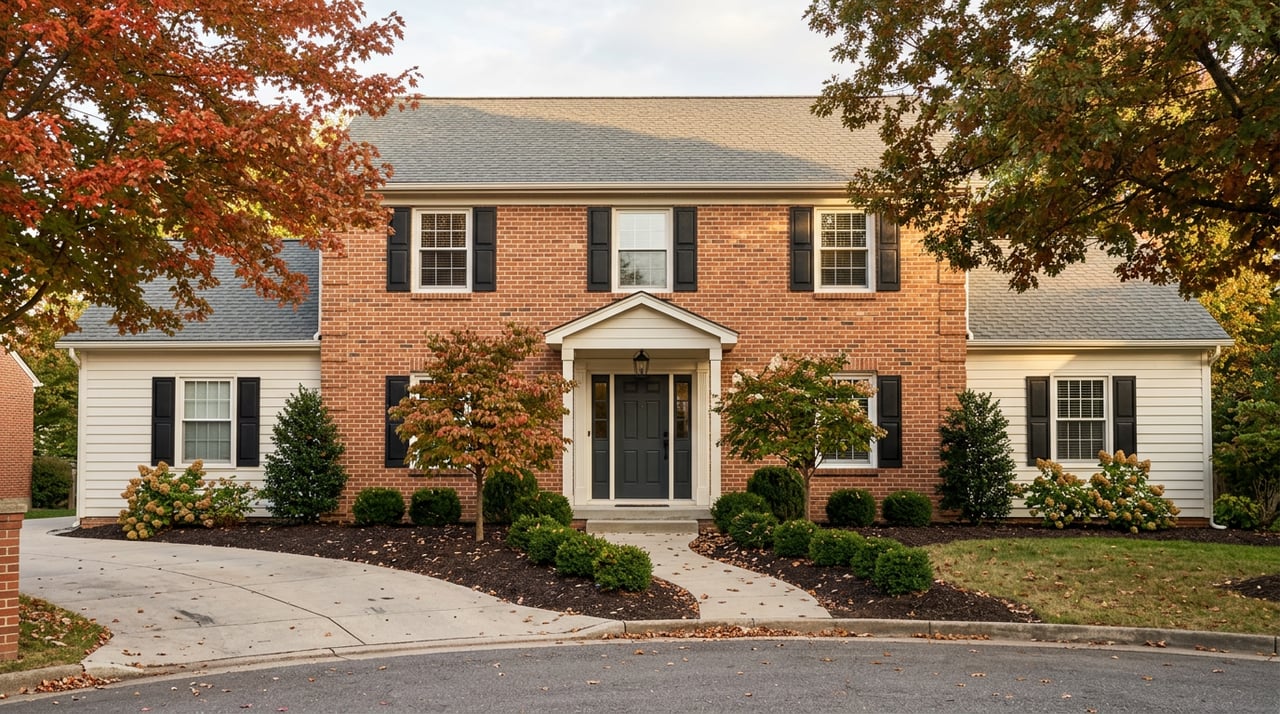
Think winding streets, mature trees, and space to spread out. These areas emphasize single‑family living with larger lots and a calmer pace.
- Where you’ll find them: Great Falls, Clifton, Fairfax Station, and parts of McLean and Oakton.
- Homes and price snapshot: single‑family homes from mid‑century colonials to new builds and rebuilds. Price bands can run from the mid‑$600Ks into several million, especially in Great Falls and McLean. Use mid‑2025 market snapshots and Feb 2025 assessments for framing.
- Commute feel: car‑centric. Plan on longer drives to Metro or high‑amenity nodes. Quick access to I‑495, I‑66, the Dulles Toll Road, or Route 7 can shape your routine. Review county notes on roads and commuting.
- Everyday conveniences: trail networks, local parks, and neighborhood swim or tennis options. Larger retail and dining are usually a short drive away.
Established inner‑ring suburbs and mid‑density areas
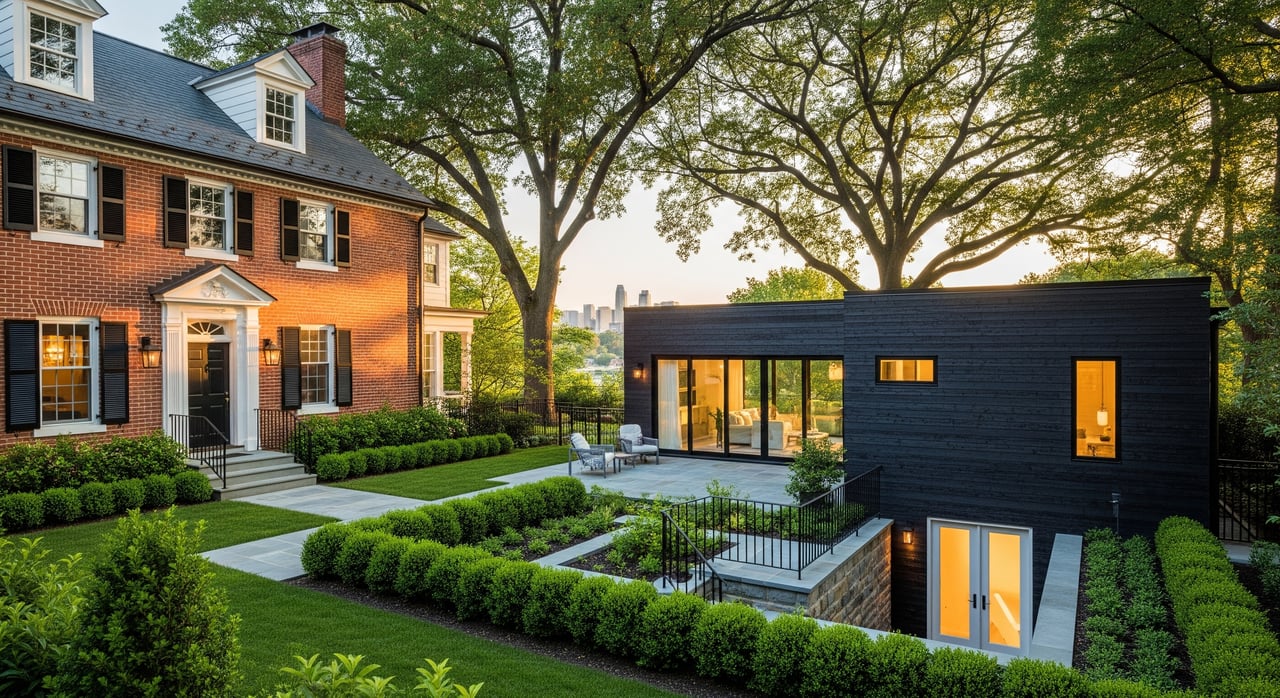
These are stable, mostly single‑family subdivisions and older townhome communities near shopping and schools. You’ll see renovations, teardowns on select streets, and occasional townhome infill near commercial corridors.
- Where you’ll find them: Annandale, Lincolnia, parts of Springfield, Burke, and Centreville.
- Homes and price snapshot: renovated originals with modest yards, 1970s–1990s townhomes, and some low‑rise condos. Pricing often sits between entry suburban and the county’s high‑end enclaves, with ranges influenced by commute access and updates.
- Commute feel: flexible. Bus routes and park‑and‑ride options connect to rail, while many residents drive. Commute times vary with proximity to I‑495, I‑95, or I‑66.
- Everyday conveniences: neighborhood retail centers, regional parks, and established community amenities.
Highway‑corridor and redevelopment nodes
Along corridors like Richmond Highway, Route 1, and parts of Route 28, the county’s plan encourages reinvestment in mixed‑use, multifamily, and community business centers over time.
- Where you’ll find them: designated Community Business Centers and revitalization areas in the Comprehensive Plan’s special planning areas.
- Homes and price snapshot: a mix of older condos, townhomes, and new multifamily as projects deliver. Investors often track these zones for near‑term change.
- Commute feel: strong roadway access and improving bus service, with selective rail connectivity depending on location.
- Everyday conveniences: national retailers, grocers, and civic upgrades as corridor plans advance.
Commute and mobility: what changes daily life
Your commute style is one of the biggest filters for picking a neighborhood type.
- Metro access: Silver, Orange, and Blue Line stations anchor the county’s most walkable areas and can trim door‑to‑desk variability. Explore stations on the WMATA stations guide.
- VRE option: Weekday commuter rail can help if your job aligns with schedules. Northern Virginia’s VRE network connects farther‑out suburbs to D.C. on two lines.
- Driving reality: The Beltway, I‑66, I‑95, Route 7, and the Dulles Toll Road shape car commutes. Conditions vary by time of day, construction, and incidents. The county’s roads and commuting page outlines major corridors and projects.
- Local mobility: County and partner investments, such as the Tysons Community Circuit and connector bus routes, make short, car‑free errands more feasible in select areas. In urban hubs, check a sample Walk Score, like this block near Tysons Corner Center, to gauge everyday practicality.
Tip: For any target home, test a live weekday commute both by train and by car. Compare best‑case (walk to Metro + single transfer) with worst‑case (peak‑hour beltway driving in rain).
How prices vary by neighborhood type
Fairfax County is a high‑demand suburban market with wide variation by product and location. As of Feb 2025, the average residential assessment was $794,235, a countywide reference point that differs from recent sales. Urban hub condos often range from the mid‑$300Ks to $900K+ by building and station access, while single‑family homes in quiet cul‑de‑sac communities can run from the mid‑$600Ks to several million, especially on larger lots in Great Falls and McLean. Always verify current listings and recent sales before you write an offer, since neighborhood micro‑markets move differently by season and product type.
Quick chooser: which neighborhood type fits you?
Use this checklist to narrow your search.
- Commute style
- I plan to ride Metro for work. Start with Tysons, Reston, Mosaic District, and transit‑adjacent Vienna, Dunn Loring, West Falls Church, or Franconia‑Springfield. Confirm station access via the WMATA stations guide.
- I plan to drive daily. Focus on highway access and back‑road options using the county’s roads and commuting page.
- Household stage
- I want yard space and multiple bedrooms. Look at established inner‑ring suburbs or cul‑de‑sac communities like Burke, Fairfax Station, parts of Oakton and McLean.
- I prefer low maintenance. Explore condos or townhomes in Tysons, Reston, or Merrifield.
- Lot size and maintenance
- Smaller lots or condo living fit my weekends. Urban hubs and town‑center suburbs are a match.
- I want a larger lot and privacy. Great Falls, Clifton, and pockets of Oakton often deliver.
- Walkability and retail
- Walkable dining and errands matter to me. Consider Tysons, Reston Town Center, or Mosaic. Use a sample Walk Score, like this Tysons Corner Center block, to calibrate expectations by address.
- Schools and boundaries
- Schools are a priority. Confirm programs and boundaries using FCPS School Profiles and the Boundary Locator. Always verify by address.
- Future change or stability
- I want to track redevelopment potential. Review the county’s focus areas in the Comprehensive Plan’s special planning areas.
- Taxes and assessments
- I want to understand how assessments may change. Read the county’s 2025 update on real estate assessments.
- One‑stop local research
- Pull address‑specific details with the county’s My Neighborhood tool.
Next steps
- Map your likely commute from 2–3 target areas and compare door‑to‑desk times in both directions.
- Verify your exact school assignment by address and test a school‑hour drive.
- Decide on lot size and maintenance level, then filter neighborhoods that match.
- Ask for recent sales and listing comps by micro‑area and product type so you can move quickly when the right home hits the market.
If you want a clear plan tailored to your routine, price point, and timeline, connect with Ikon Realty. Our Fairfax‑based team can help you narrow to the right micro‑areas, line up on‑market and coming‑soon options, and negotiate with confidence from offer to closing. Start the conversation with Ikon Realty.
FAQs
What are the main neighborhood types in Fairfax County?
- Fairfax includes urban hubs, transit‑adjacent town‑center suburbs, quiet cul‑de‑sac communities, established inner‑ring suburbs, and highway‑corridor redevelopment nodes.
How does the Comprehensive Plan affect where I should buy?
- The county’s plan designates Urban Centers, Transit Station Areas, and Suburban Centers, which signals where walkable, mixed‑use growth and redevelopment are most likely over time.
Where should I look for a <30‑minute commute to D.C.?
- Start near Metro stations such as Vienna, Dunn Loring, West Falls Church, Tysons, Reston, or Franconia‑Springfield and verify door‑to‑door times using WMATA schedules and live traffic.
I want a larger lot and quiet streets. Which areas fit?
- Great Falls, Clifton, Fairfax Station, and parts of McLean and Oakton often offer larger lots and cul‑de‑sac patterns, with tradeoffs in drive times to transit and retail.
How do I check school boundaries for a specific home?
- Use Fairfax County Public Schools’ profiles and the Boundary Locator to confirm the exact assignment by address and to review programs and transportation details.
Are there areas with strong walkability and transit access?
- Tysons, Reston Town Center, and Merrifield’s Mosaic District are designed for walkability with nearby Silver or Orange Line access and frequent bus service.
What price ranges should I expect by neighborhood type?
- As a mid‑2025 reference, urban hub condos often run from the mid‑$300Ks to $900K+, while single‑family homes in quiet suburbs can span from the mid‑$600Ks to several million depending on lot, location, and updates.